
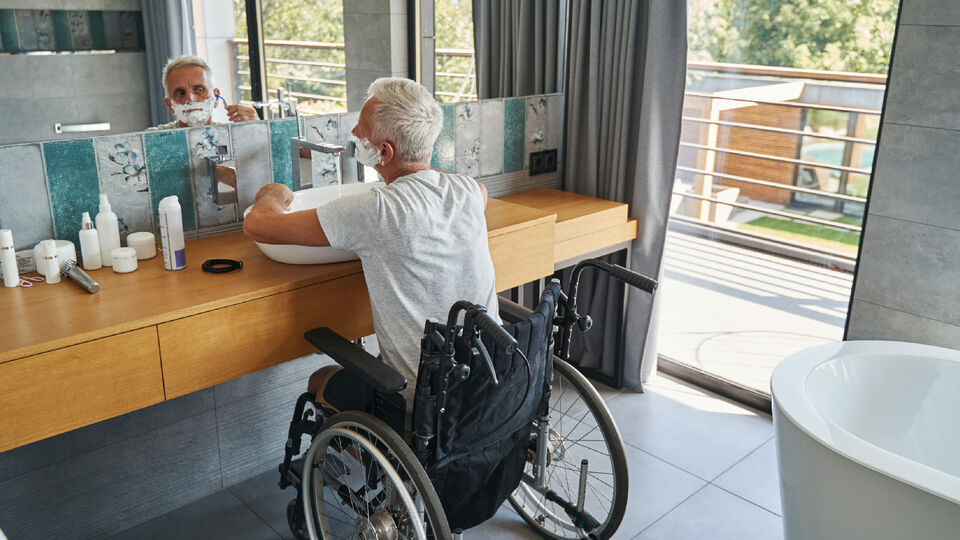
So many great things come with age: wisdom, experience, and cherished memories. Yet aging can also make everyday tasks more challenging — especially when mobility limitations are involved.
The bathroom is one area of the home that can greatly affect quality of life. An accessible bathroom allows individuals with physical limitations to perform daily routines safely and independently.
Why Is Accessibility Important?
Living in place is increasingly popular among adults who wish to remain in their homes long-term. According to an AARP survey, 77% of adults over 50 “want to remain in their homes for the long term.”
Making accessibility modifications provides key benefits:
Reducing Trip Hazards
Slippery surfaces, poor lighting, and missing assist bars increase fall risks. Installing safety features greatly improves security.
Promoting Ease of Movement
Accessible designs empower individuals to maintain routines without relying on others, improving confidence and emotional well-being.
Improving Quality of Life
Comfortable, functional bathrooms help individuals stay in their homes longer.
What Is an Accessible Bathroom?
An accessible bathroom is designed to make daily tasks safer and easier for people with disabilities or mobility challenges.
Common features include:
- Assist bars — Support for entering and exiting showers, tubs, or toilets.
- High-grip, textured flooring — Reduces the risk of slips and injuries.
- Chair-height/accessible toilets — Raised seats make sitting and standing easier.
- Curb-less showers and bathtubs — Walk-in or roll-in designs eliminate high curbs.
- Accessible vanities — Lower counters and open under-sink storage improve reachability.
- Automated controls — Motion-activated lights and water controls aid those with limited dexterity.
Benefits of an Accessible Bathroom
Increased Comfort
A well-designed space enhances daily comfort and self-care routines.
Improved Quality of Life
Ease of daily living boosts mental health and confidence.
Enhanced Property Value and Visitability
Accessible upgrades can increase home value and appeal to a wider market. It can also make the home more "visitable" for people with varying abilities.
How to Get Safety and Accessibility Upgrades Done
- Assess your needs — Identify unsafe or difficult-to-use areas.
- Consult a professional — Certified aging-in-place specialists can evaluate your home and recommend improvements.
- Hire a contractor — Work with professionals experienced in accessibility remodeling.
- Explore financing options — Loans, grants, and assistance programs can help fund modifications.
Havenside: Your Home Improvement Partner For Life
If you live in the greater Pittsburgh area, Havenside can assess your home and create a plan for safe, comfortable living in place.
Our team evaluates bathrooms, kitchens, and entryways; recommends upgrades; and manages installation from start to finish.
Contact Havenside to learn how we can help you design an accessible bathroom that meets your needs and enhances your quality of life.